“explain in detail” search results (200)
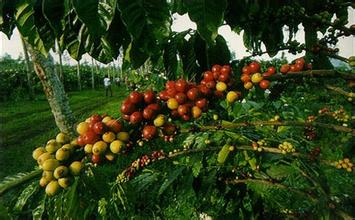
How long does it take to make coffee? how long can you learn the roasting technique of making coffee?
The coffee method is very simple, but to make the taste, it takes a little time to make a grain of freshly roasted coffee beans in the upper part of the bean barn. As soon as the bean grinder switch is turned on, the coffee powder will be turned into coffee powder from the powder warehouse. Bird pictures and texts explain in detail the process of making espresso coffee. Super detailed, coffee lovers scramble into um ~ below is the production process of a cup of espresso first.
2016-05-23 Coffee need how long can learn bake technology coffee practice simple
The extraction process of espresso under ideal condition is explained in detail in pictures and texts.
The picture and text explained in detail the extraction process of espresso in the ideal condition, and the baristas turned away from the control.
2015-10-17 Picture and text detailed explanation ideal State espresso extraction process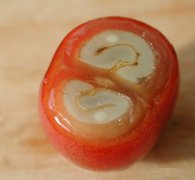
Fine Coffee Science explains the internal anatomy of fine coffee beans in detail
Coffee bean close-up, coffee bean internal cross-section map of the coffee fruit after the peel of the freshly ripe coffee fruit on the tree, the coffee fruit without the peel, inside two coffee beans with endocarp, silver peel coffee bean coffee fruit internal structure (coffee fruit includes exocarp, mesocarp, pectin layer, endocarp, coffee bean silver skin, endosperm, embryo.) Internal knot of coffee beans
2014-11-13 Coffee knowledge boutique coffee science internal anatomy of coffee beans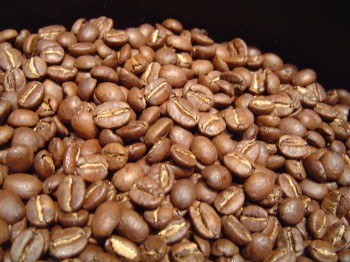
Explain in detail what is the concept of manor coffee?
Many people who like to drink high-quality coffee may be no stranger to coffee beans, but most people are only familiar with coffee products such as Langshan, Manteau, Java and Kenyan, and those who are not familiar with coffee are very strange to coffee beans. English: estate-grown coffee definition: coffee beans produced by a single coffee bar or a cooperative made up of several coffee bars.
2015-11-25 Detailed explain manor coffee concept in the end what is a lot of like to drink boutique
Bid farewell to the first stage of coffee and explain coffee flower drawing in super detail.
Junior baristas, are they still worried about their bad ripple shape? Poke this video to learn the speed, distance and position of the three elements in super detail. Speed: the faster the milk is poured, the richer the texture; the slower the speed, the more liquid (milk). Uniform speed needs to be maintained throughout the flower drawing process to obtain uniform quantity, texture and liquid.
2015-10-24 Farewell coffee beginner detailed explanation pull flower junior teachers still in distress
The sugar commonly used in drinking coffee explains in detail the collocation of various sugars and coffee.
The sugar commonly used in drinking coffee details the subtle differences in the taste of various sugars and different sugars added to the coffee. The following editor will introduce separately: White sugar (sucrose) white granulated sugar is the most common sugar used in drinking coffee in China at present, because of its sweetness all the time, there are fewer miscellaneous flavors and impurities, so the sugar packets in coffee shops are generally white granulated sugar. Yellow sugar is actually a kind of brown sugar.
2015-09-18 Coffee commonly used used detailed explanation various category and collocation coffee with
Fine Coffee Science explains Coffee Leaf Rust in detail
Coffee leaf rust (coffee rust) is the most destructive disease of coffee trees, which is caused by coffee camel rust (Hemileia vastatrix). The disease has long occurred in coffee-producing areas such as Africa, the near East and India, Asia and Australasia. It first appeared in the Western Hemisphere in 1970 and was found in Brazil. Once-thriving coffee plantations in Sri Lanka and Java
2014-11-18 Coffee knowledge boutique caffeine coffee leaf rust
Fine Coffee Science explains the structure of coffee beans in detail
Usually there are two seeds in a coffee fruit, but after picking, there is often only one seed in about 5-10% of the berries, because there is only one ovule fertilized in the ovary, and the bean grows up to be nearly oval in shape. it's also known as the little round bean. This coffee bean will be smaller than normal Arabica coffee beans and taste like ordinary coffee beans.
2014-10-11 Coffee knowledge boutique coffee science coffee bean structure
Boutique Coffee Science explains in detail how to make ice drop coffee
Steps: 1, medium fine grinding powder; 2, 4 degrees Celsius cold water mixing; 3, coffee powder mixture frozen in the freezer (- 16 degrees Celsius) for 24 hours; 4. At room temperature, the frozen mixture can be finished with KF-300 ice droplets. Coffee beans: 1, medium roasted Lanshan No. 1; 2, a certain brand Blue Mountain matching, full city baking; 3, H1 baked Italian matching tasting: keep the original respectively
2014-11-10 Coffee knowledge boutique coffee iced coffee
Boutique Coffee explains in detail the definition of Italian concentration
The false impression of espresso = high caffeine seems to have taken root in everyone's mind. In fact, real espresso beans are usually roasted deeply for a long time, and there is not much caffeine left. As for the remaining little caffeine, it must be extracted for a long time to dissolve. Therefore, compared with ordinary coffee, the extraction time
2014-11-10 Coffee knowledge boutique coffee espresso
The general knowledge of fine coffee explains the composition of coffee in detail.
1. Caffeine: it has a strong bitter taste and stimulates the central nervous system, heart and respiratory system. 2. Tannic acid: decomposition after boiling will make the coffee taste worse. 3. Fat: volatile fat is the main source of coffee aroma. 4. Protein: it probably won't dissolve out. Sugar: converted to caramel after baking, resulting in sweetness. 6. Fiber: carbonized after baking and combined with caramel to form coffee
2014-10-11 Coffee knowledge boutique coffee knowledge coffee ingredients
Boutique Coffee Science explains in detail what coffee flower is.
In Europe, Latte means milk. Pouring milk into coffee to form an artistic pattern is Latte Art, which extends a broader meaning. As long as it is brewed coffee surface, making artistic pattern lines, even Latte Art, is not necessarily limited to latte Caffe Latte, using a variety of techniques and ways to form an artistic pattern on the coffee surface.
2014-11-07 Coffee knowledge boutique Coffee Coffee pull
General knowledge of boutique coffee explains the roasting stage of coffee beans in detail.
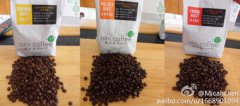
Roasting of coffee beans: coffee beans can cause subtle changes in flavor due to different degrees of roasting. Generally speaking, if the baking degree is shallow, the sour taste is heavier, with the deepening of the baking degree, the sour taste will gradually disappear, and the bitter taste will highlight the depth of the baking. Before roasting coffee beans, coffee roasters must decide the most appropriate roasting according to the types, characteristics and production methods of coffee beans.
2014-11-14 Coffee knowledge boutique coffee knowledge coffee bean roasting
Explain in detail the grinding tools that make the coffee beans finely powdered.
In order to blend with the water, coffee made the greatest sacrifice to pieces. Before brewing coffee, the beans must be ground into fine grains to increase the contact area between water and coffee in order to extract the delicacy. In fact, the bean grinder is more important than the coffee machine, and players suggest choosing a sawtooth grinder because it can grind a uniform coffee powder quickly and steadily. Sawtooth type
2015-05-08 Detailed explanation grinding tools coffee beans meticulous ground flour bean grinder in order to with water intercourse
Explain in detail the method of brewing coffee with Chemex.
Prepare hot water, 1200-1400g. Weigh 50-60g coffee beans. In the process of heating water, grind the coffee beans into powder. The thickness of the powder is about the same as that used in the French kettle. Unfold the filter paper and put in the Chemex. Pour some hot water on the filter paper to soak it through and warm the bottle at the same time. You can also pour some hot water into the cup to warm it. Pour the ground coffee powder into the filter paper
2015-11-25 Details explanation Chemex brewing coffee method preparation hot water 12
The boiling method of siphon pot explains in detail the coffee-making process of Saifeng pot.
The siphon pot (Syphon), also known as the plug pot, always seems to remind people of the utensils of chemical experiments. However, because they are all glass containers, the whole cooking process is clearly visible, which is an excellent brewing method with excellent visual effect. In terms of taste, it is also the favorite of some coffee lovers. At the same time, the whole brewing process will be filled with a very charming aroma of coffee. So, what are you waiting for? I'm coming.
2015-08-06 Siphon Cooking Picture detailed explanation Air stopper Coffee process siphon Sypho
Explain in detail the process of manning coffee. What is the processing procedure of manning coffee? Manning
Sellers often mark Lintong Lindong and Mandheling Manning coffee as dry. In fact, the pulp and coffee seeds are often separated by a variety of mixing modes, and the more common is a backyard wet treatment. The smart farmer put the freshly picked coffee cherries into a simple peeling machine made of scrap metal, wood and bicycle parts. Then stick the peeled ones.
2016-03-15 Details Mante Coffee processing process what seller often Li
Boutique Coffee explains in detail the three native species of coffee
There are about 40 species of coffee plants, but only one can produce coffee beans of commercial value. Arabica, Robusta and Liberia are known as the three major native species of coffee: Arabica species are native to the Ethiopian plateau. Arabica coffee accounts for 75%, 80% of all coffee varieties, and its excellent flavor and aroma make it these.
2014-11-08 Coffee knowledge boutique coffee science coffee varieties
Boutique Coffee Science explains the types of coffee in detail
The most widely grown coffee in the world is mainly Arabica beans (Coffee Arabica) and Robota beans (Coffee Robusta). Arabica Arabica is mainly produced in tropical Central and South America, accounting for 3/4 of the world's output. It is planted on alpine slopes at an altitude of 9002000 meters. Growing in areas ranging from 15 to 20C, Arabica needs high artificial density care, rich taste and disease tolerance.
2014-10-18 Coffee knowledge boutique coffee science coffee types